
Patient safety first
A trained neurotechnologist monitors each case and alerts the surgical team to significant changes.
Intraoperative neuromonitoring
During surgery, every signal from the brain, spinal cord and nerves matters. Intraoperative neuromonitoring (IONM) tracks these signals in real time so your surgical team can respond to changes as they happen.
Our clinical mission
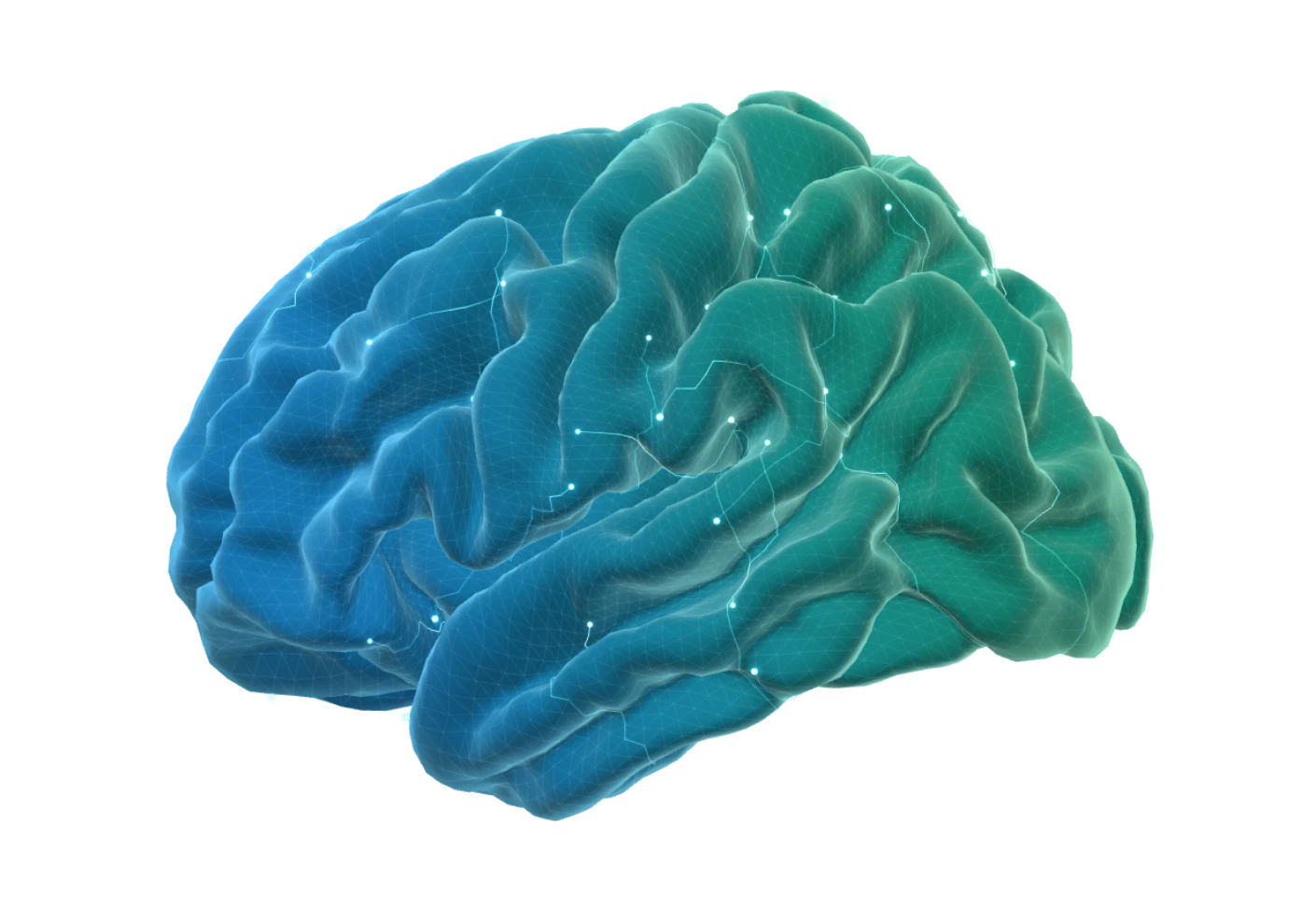
Our mission is to help make surgery safer by protecting the ability to move, feel, hear and speak. We work alongside surgeons and anaesthetists to monitor nervous system function throughout each operation.
A trained neurotechnologist monitors each case and alerts the surgical team to significant changes.
We follow internationally recognised monitoring practices and use modern monitoring equipment.
We communicate clearly and promptly with surgeons and anaesthetists throughout the operation.
We work to make IONM available to more hospitals and patients.
Our services
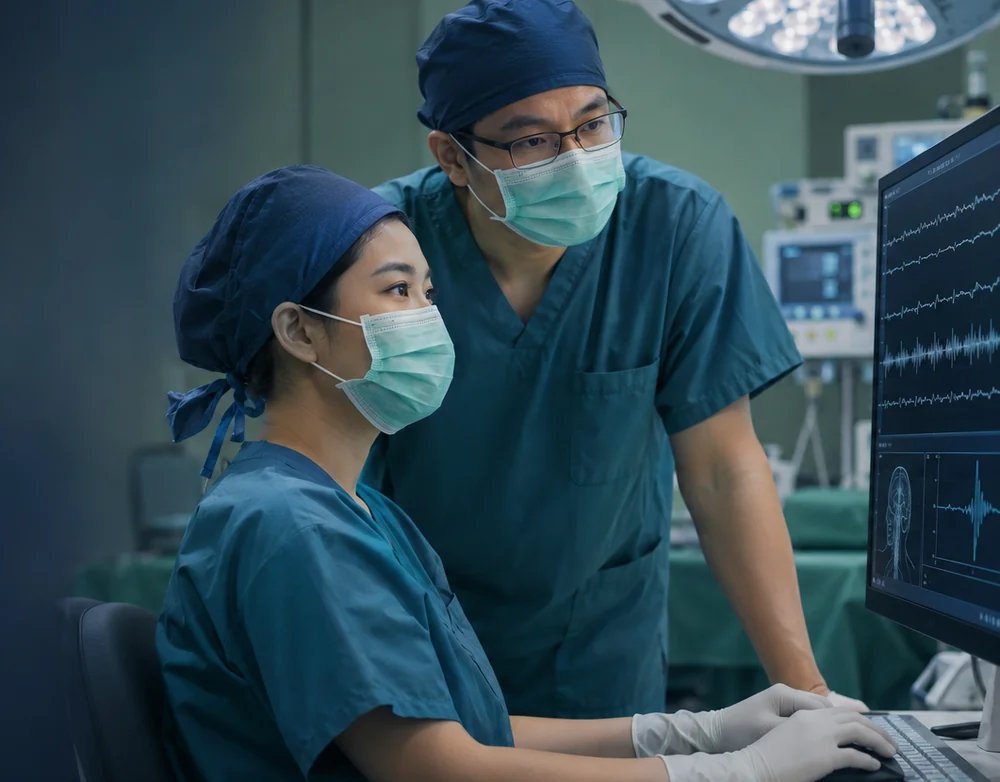
We provide intraoperative neuromonitoring for spine, brain, and head and neck procedures.
Continuous monitoring of the spinal cord and nerve roots helps the surgical team identify changes in neural function during spinal procedures.
Monitoring technology
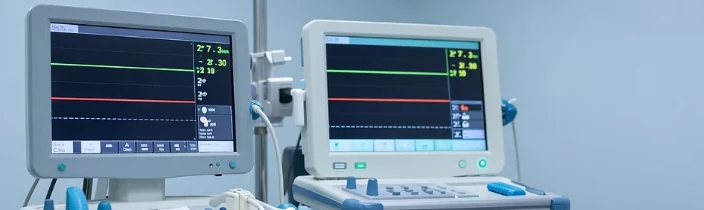
Explore the techniques we use to track sensory, motor and other neural pathways during surgery.
Sensory pathways
Patient zone
Find out how neuromonitoring fits into surgical care and what to expect before, during and after a procedure.
Having spine, brain, or head and neck surgery? Ask your surgeon whether IONM is suitable. Your surgeon can arrange monitoring with us before your surgery date.
Read common questionsBook IONM for your next case. Our neurotechnologist will be in theatre from setup to closure, providing real-time feedback to your team.
Arrange monitoringIntraoperative neuromonitoring (IONM) checks how your brain, spinal cord and nerves are working during surgery. Small sensors record electrical signals. A trained neurotechnologist monitors them throughout the operation and alerts your surgical team if significant changes occur.
When general anaesthesia is used, the sensors are typically placed after you are asleep and removed before you wake up.
IONM is a well-established technique. Possible side effects include small bruises or marks where sensors were placed. A tongue or lip bite can rarely occur during motor testing, and the team can use a soft bite block to reduce this risk. Ask your surgical team about the risks for your operation.
Before surgery. Tell your surgical team about any pacemaker or other implanted device, any history of seizures, or any metal implants in your head. Follow the pre-surgery instructions your team gives you.
During surgery. Once you are asleep, small surface or fine needle sensors are placed according to the procedure. Your anaesthetist may adjust medicines so nerve signals can be recorded clearly.
After surgery. The sensors are removed before you wake up. Small skin marks at sensor sites usually fade within a few days.
A trained neurotechnologist stays in the operating theatre throughout the procedure, working closely with your surgeon and anaesthetist.
Nerve injury remains possible even with monitoring. Your surgeon can explain the risks of your operation and how IONM may help manage them.
Coverage depends on your insurance plan and procedure. Please check with your insurer or contact our team for help.